
Why Apple Raised Prices—and Could iPhones Be Next?
Apple has implemented one of its largest hardware price increases in years, raising prices across several major product categories, including Mac, iPad, Apple TV, HomePod, and Vision Pro. For now, however, the company has left the prices of iPhone, Apple Watch, and AirPods unchanged. The move has sparked speculation about whether Apple’s flagship smartphone could be the next product affected by rising costs. (Reuters)
According to multiple business and technology reports, Apple attributed the price increases to the soaring cost of memory and storage components. Global supplies of DRAM and NAND flash memory remain under pressure as demand continues to surge, driven largely by the rapid expansion of AI infrastructure and data centers. As cloud providers and AI companies purchase increasing volumes of memory chips, consumer electronics manufacturers are facing significantly higher component costs. (Reuters)
The biggest increases affected Apple’s MacBook and iPad lineups. In the United States, the MacBook Air now starts at $1,299, up from $1,099, while the entry-level MacBook Pro increased from $1,699 to $1,999. Prices also rose across several desktop Macs, iPads, Apple TV devices, HomePod speakers, and Vision Pro headsets, with some premium configurations increasing by several hundred dollars. (MacRumors)

Why Apple Changed Its Pricing
Apple CEO Tim Cook had already warned that rapidly rising component costs were becoming increasingly difficult to absorb. For years, Apple’s purchasing power and supply chain allowed the company to shield customers from higher manufacturing costs. By mid-2026, however, continued increases in memory and storage prices made maintaining existing pricing far more challenging—even for one of the world’s most efficient hardware manufacturers. (Reuters)
Will iPhone Prices Increase?
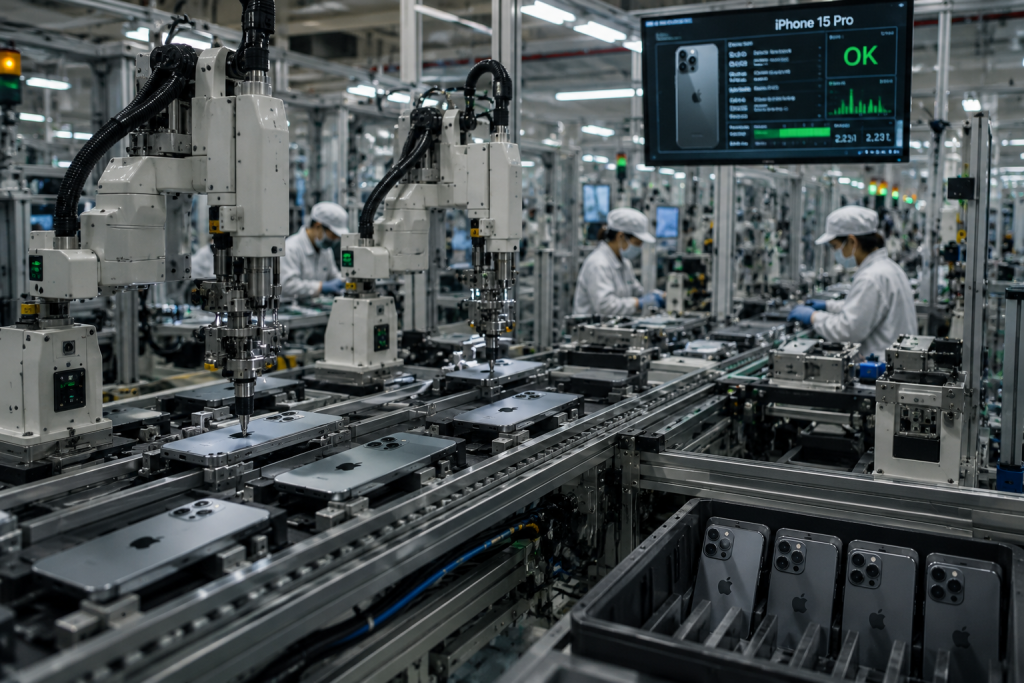
The biggest question now surrounds the iPhone, which remains Apple’s largest source of revenue and the centerpiece of its ecosystem. Analysts believe Apple is approaching any potential iPhone price increase far more cautiously than other product categories.
Rather than raising prices across the entire lineup, some analysts expect Apple could limit increases to Pro models, increase base storage capacities, or discontinue lower-priced configurations while keeping entry-level pricing relatively stable. Estimates for possible price increases vary widely—from around $50 on selected models to $150–$200 on higher-end versions—but Apple has not announced any changes to iPhone pricing. At this stage, these remain industry forecasts rather than confirmed plans. (Reuters)
What It Means for Consumers
Apple’s latest pricing changes suggest that the era of stable prices for premium consumer electronics may be coming to an end. As the cost of memory chips, storage, and other critical components continues to rise, manufacturers are increasingly passing part of those costs on to customers instead of absorbing them internally. (Business Insider)
For Apple, leaving iPhone prices unchanged appears to be a strategic decision. The smartphone remains the company’s most important product, driving hardware sales while supporting its ecosystem of services and accessories. However, if supply-chain pressures continue through the second half of 2026, analysts believe Apple may eventually adjust pricing for future iPhone models to protect profit margins. (Reuters)

The Bottom Line
Apple has already begun passing higher component costs on to consumers by increasing prices for Mac, iPad, Apple TV, HomePod, and Vision Pro, while deliberately leaving the iPhone unchanged—for now. If memory prices remain elevated and AI-driven demand continues to strain global chip supplies, selective price increases for future iPhone models—particularly premium versions—are becoming an increasingly realistic possibility. (Reuters)


0 Comments